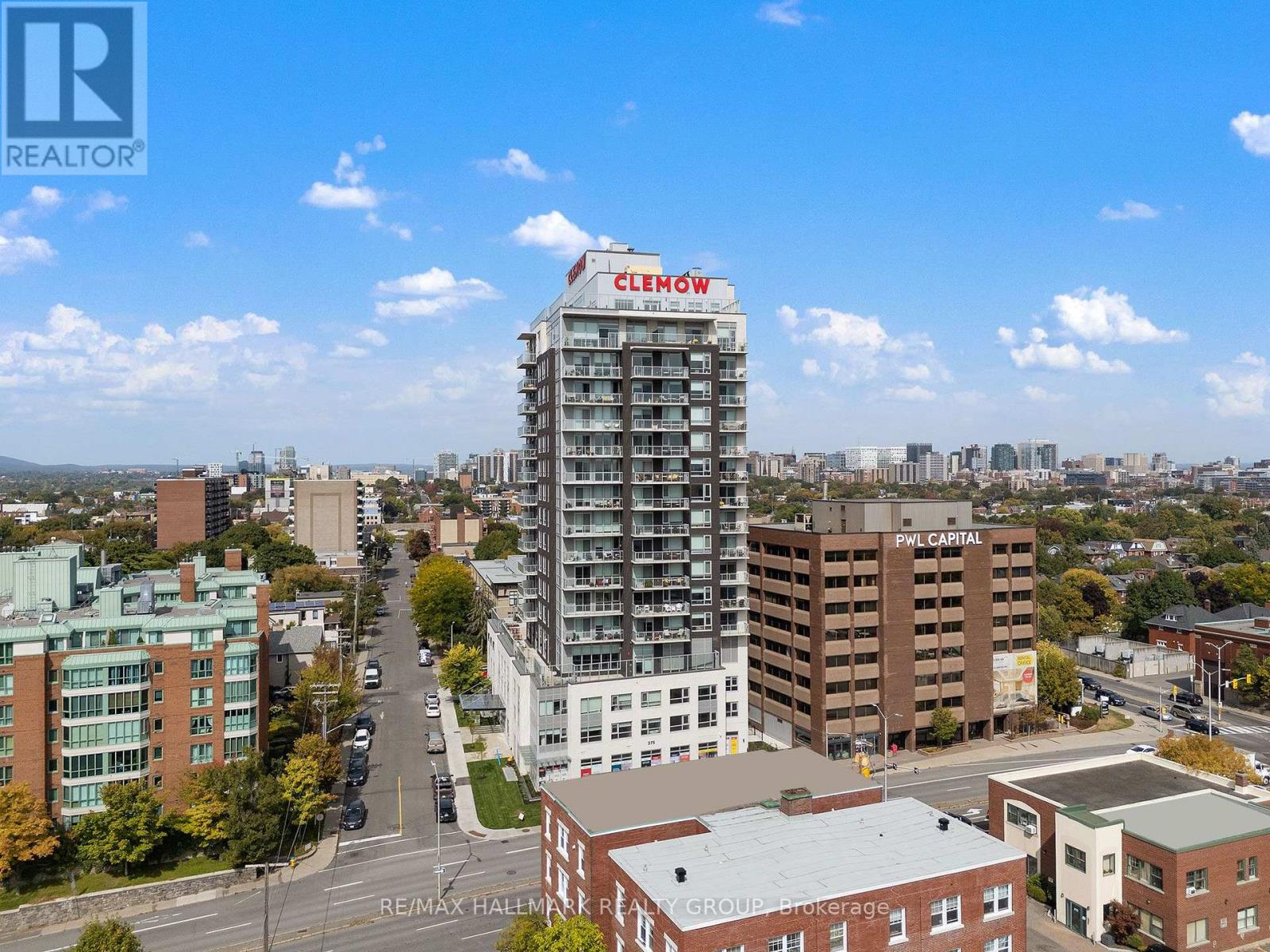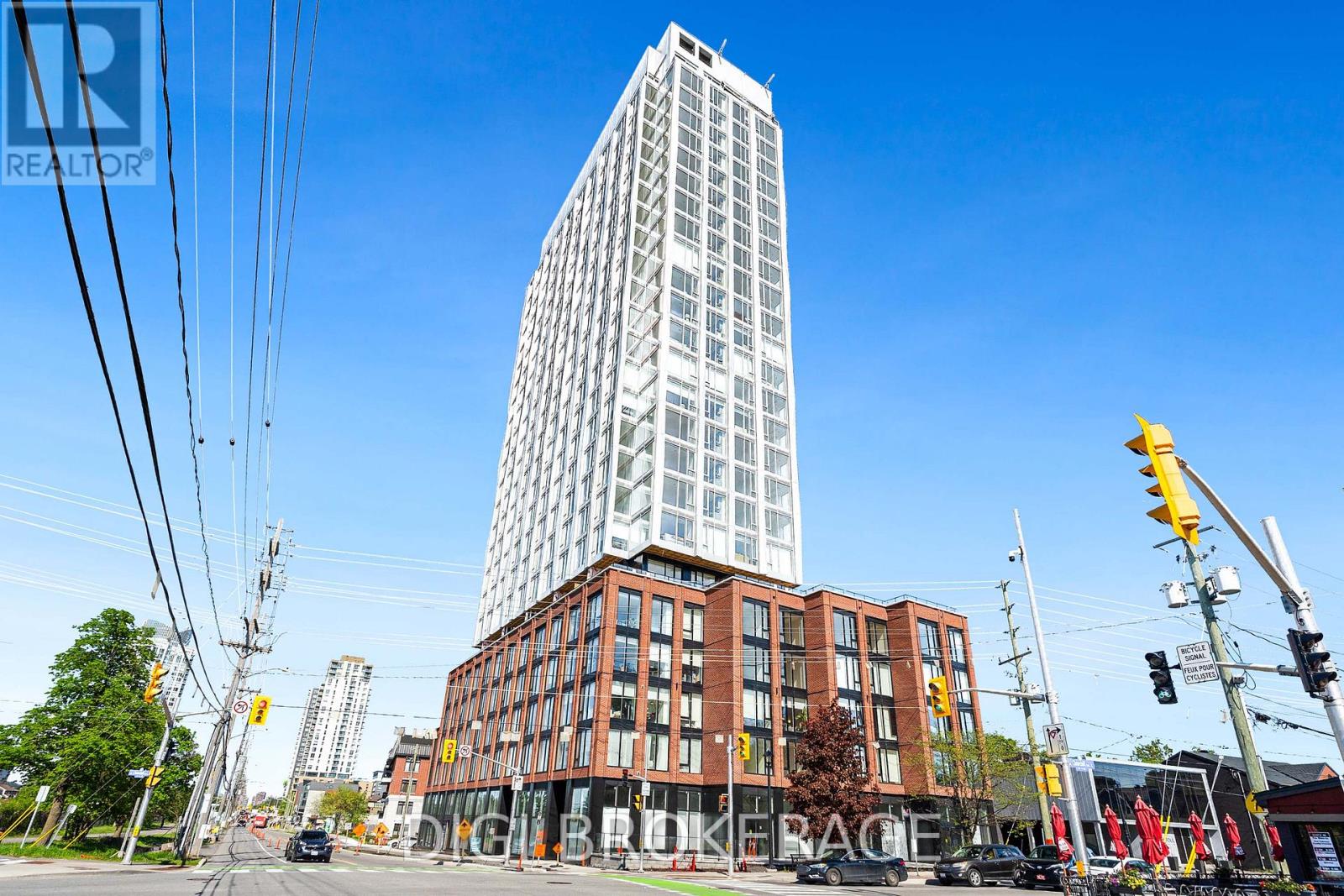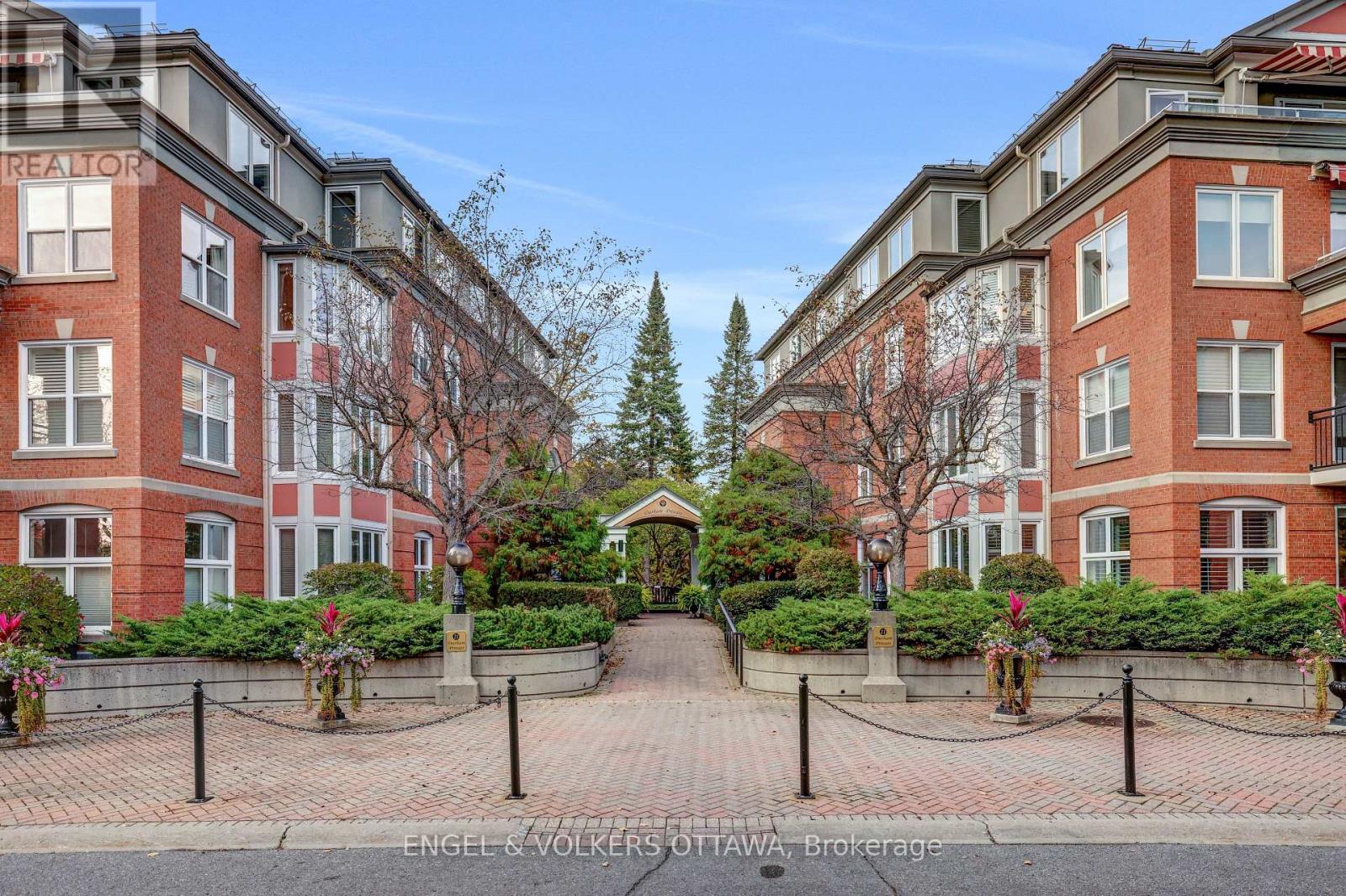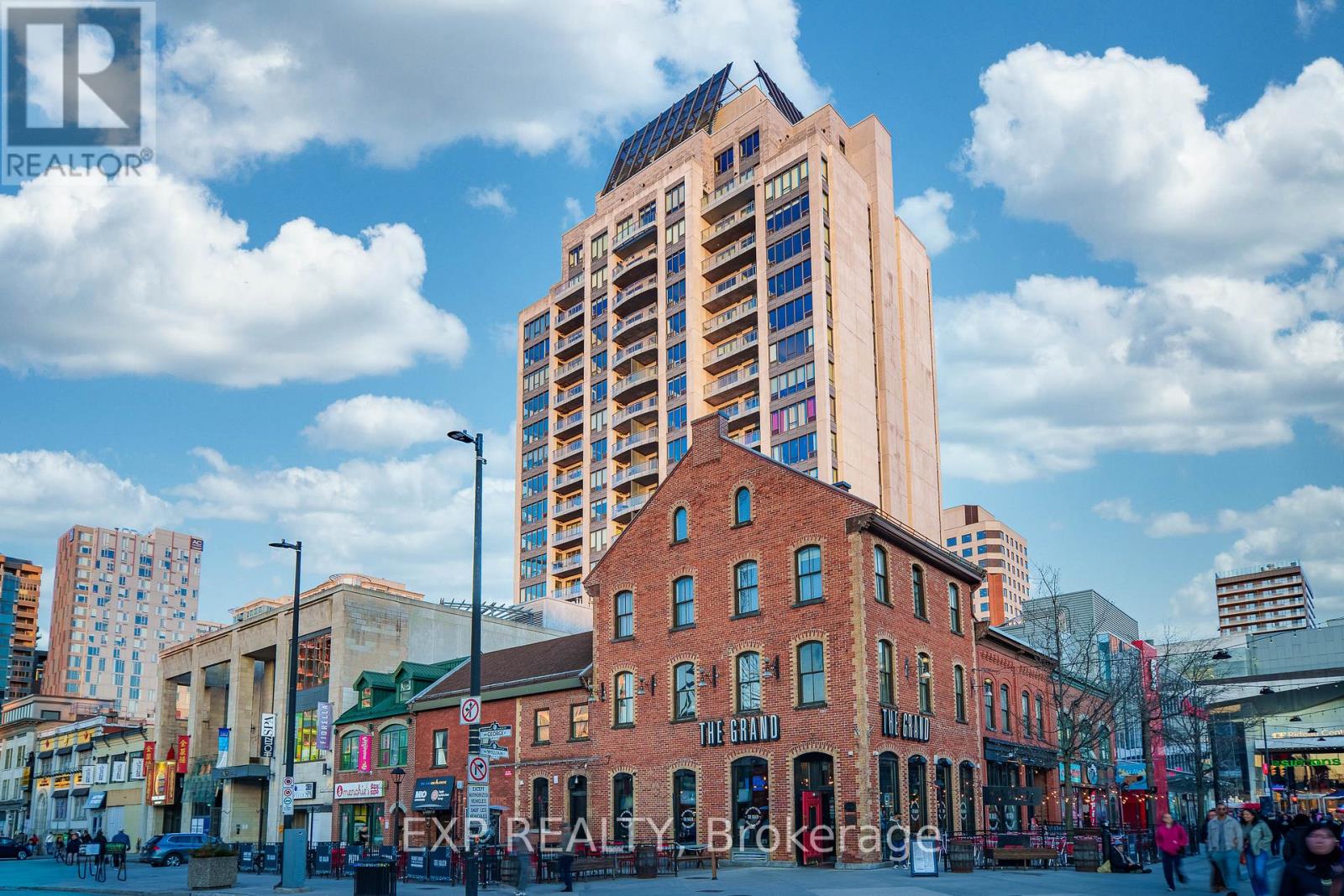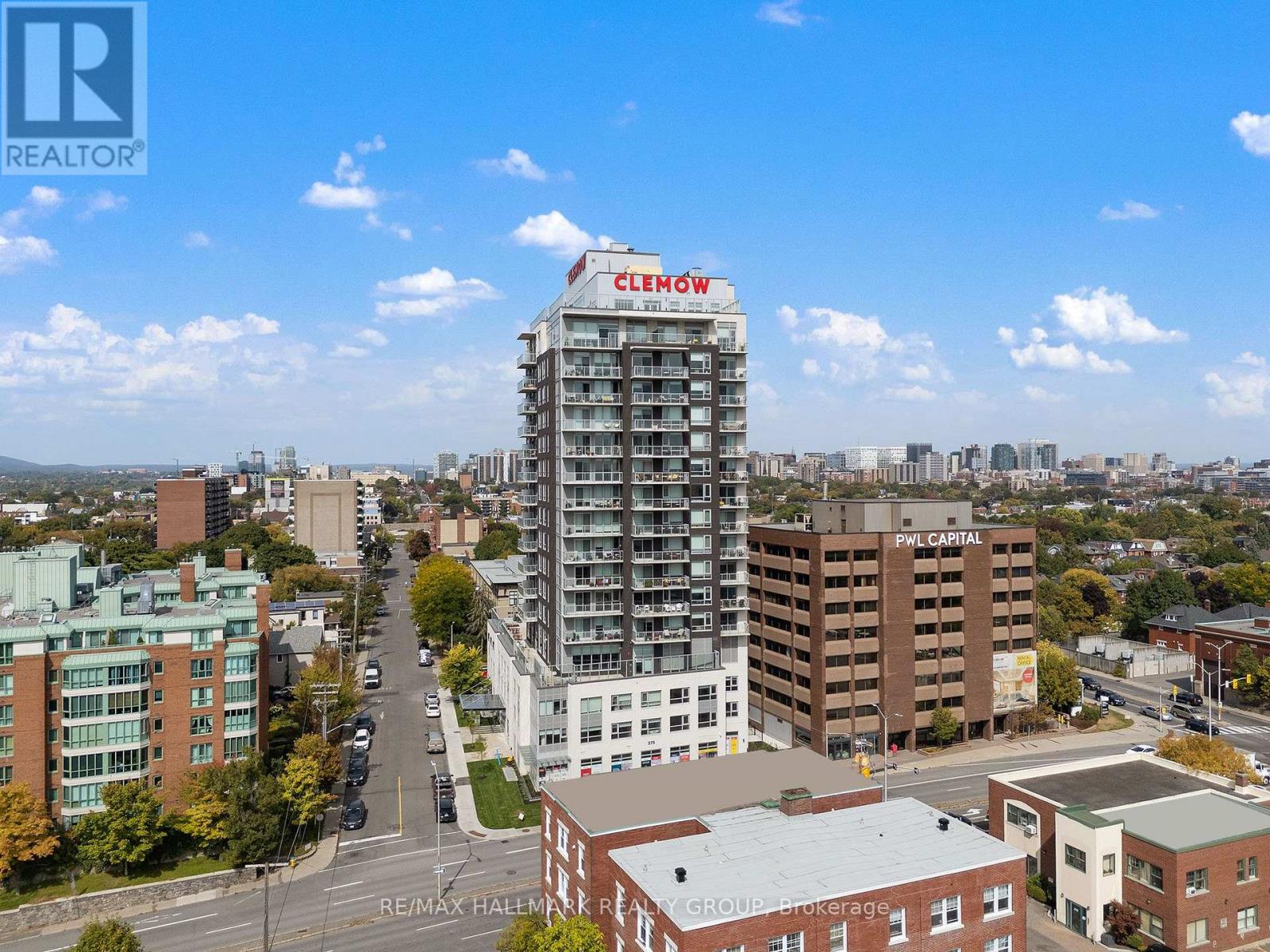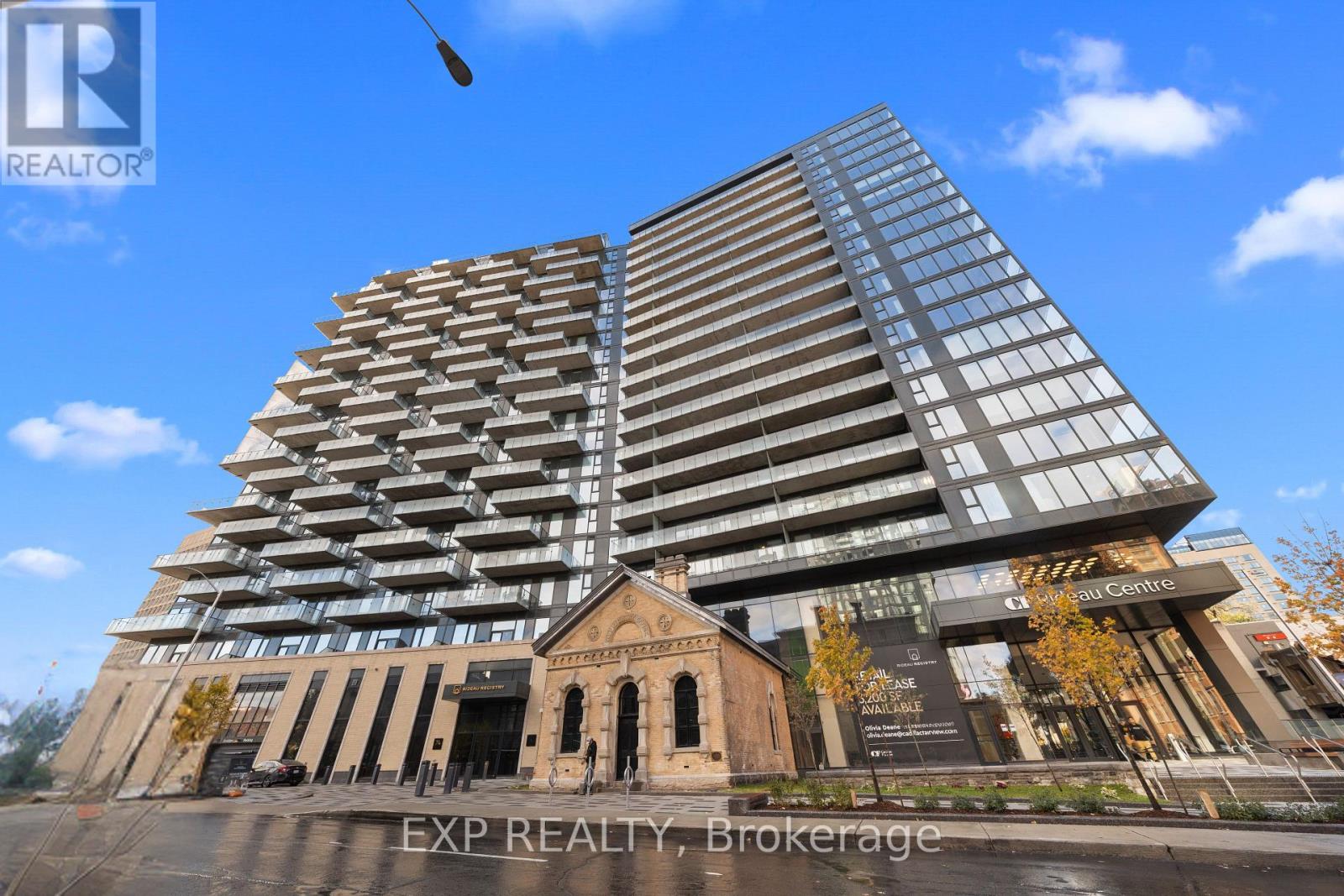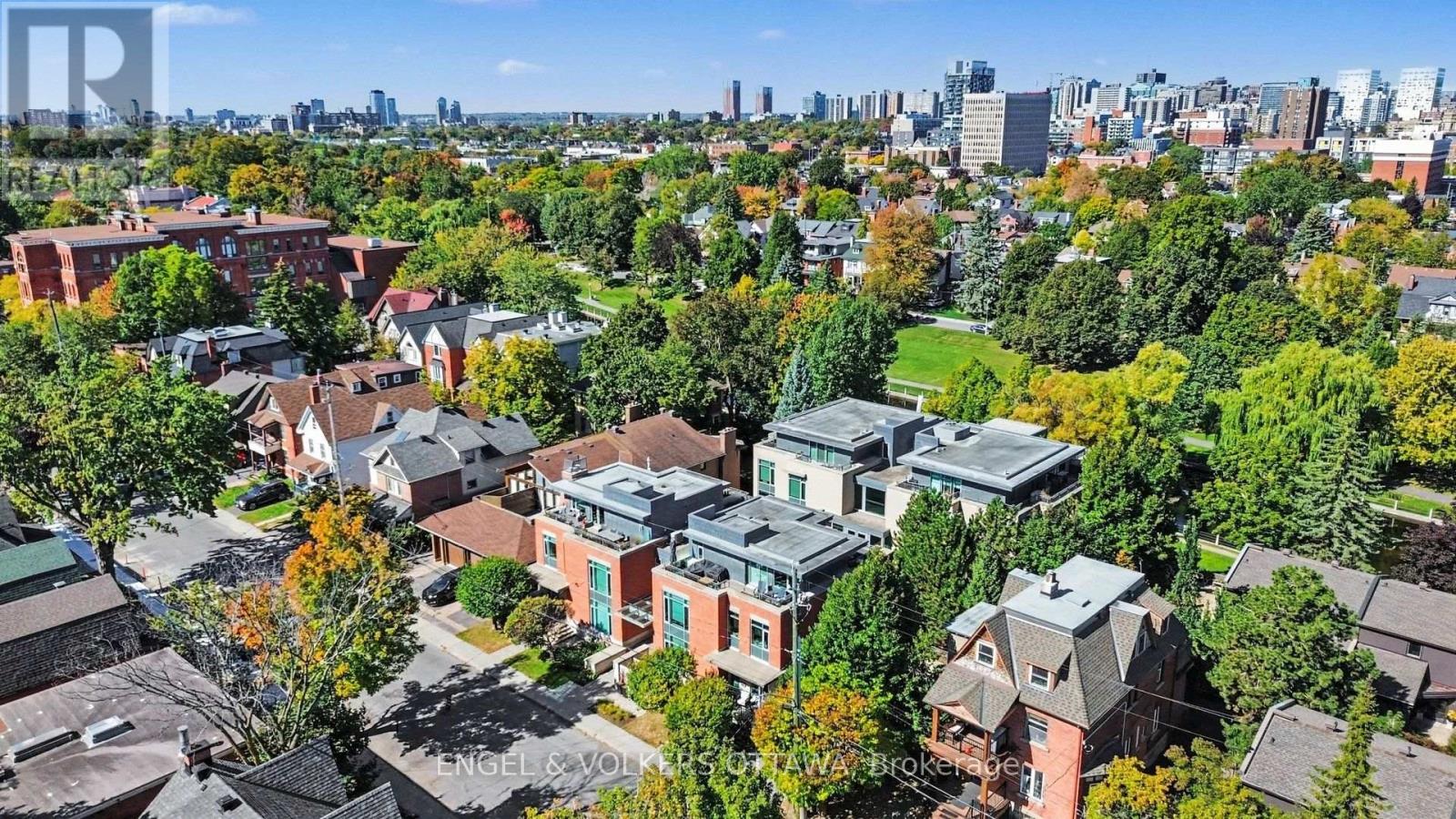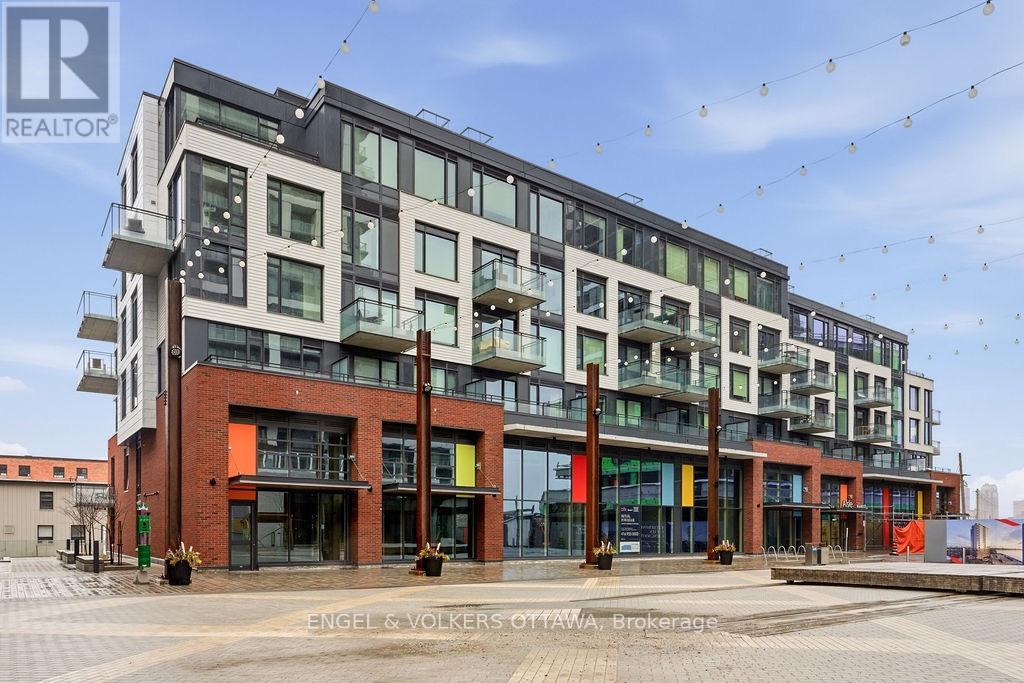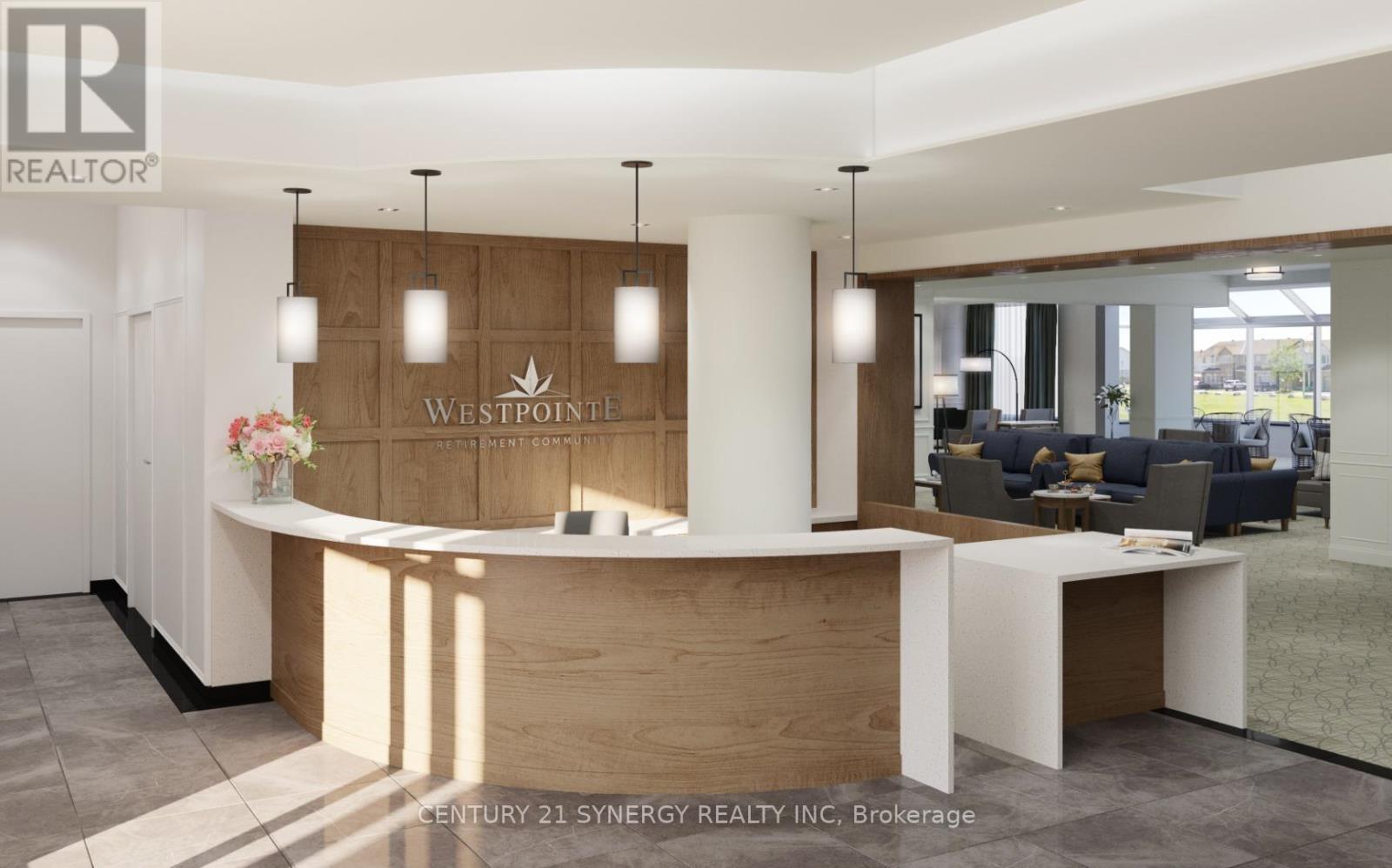
Condos for Rent in Ottawa
Your Guide to Finding the Perfect Ottawa Rental Condo
Can’t Find What You’re Looking For?
Send me your wish list through email at peter@condo613.ca and I will search for your new rental. Whether you need a condo or a single family home, I can help. My services are FREE for Tenants — I get paid by the Landlord, any Landlord.
A Wish List Should Include:
- Preferred Location(s)
- Total Number of Bedrooms and Bathrooms
- Special Features You Care About
- Monthly Budget
- Parking Requirements
- Desired Move-In Date
If you contact Peter through email, please check your Junk or Spam folder for our response.
Current Ottawa Condo Rentals
Get Expert Guidance
To find out more: Contact Peter Sagos to receive our free and helpful Ottawa Condo Guides.
Renting a Condo in Ottawa: What You Should Know in 2026
Ottawa’s condo rental market covers everything from a furnished studio in the ByWard Market to a three-bedroom unit in a newer Kanata tower. Most leases run on a twelve-month term. For example, month-to-month arrangements do exist, but most buildings want the full year. Canada Mortgage and Housing Corporation (CMHC) surveys the city twice a year. Historically, Ottawa’s average rent for equivalent unit types tends to sit below Toronto and Vancouver. For this reason, students, young professionals, and government employees keep choosing Ottawa for stable housing.
The listings below pull live from the CREA Data Distribution Facility (DDF) and update as new rentals come to market. If you do not see what you need, send a wish list to peter@condo613.ca, and we will run the search for you. Tenant representation costs you nothing because the landlord pays.
Ottawa Condo Rental Market at a Glance
The CMHC Rental Market Survey covers Ottawa-Gatineau twice a year. It is the cleanest single source for vacancy rates and average rent by bedroom type. It also tracks year-over-year change. Three patterns tend to hold across most reports:
- Two-bedroom units lead the market. One-bedroom and two-bedroom condos dominate the rental inventory. For example, studios exist but cluster in downtown buildings. Three-bedroom rentals are rare outside newer buildings.
- Most leases run twelve months. A twelve-month term is the standard offer, and month-to-month or six-month terms appear occasionally. However, most condominium buildings restrict short-term rentals under thirty days. Specifically, the building’s rules apply this restriction even when an individual landlord lists the unit.
- Heat and water often come included in the rent. In a typical Ottawa condo lease, electricity, internet, and tenant insurance usually stay on the tenant. Finally, treat the lease as the source of truth, not the listing.
For tenant-side rules, the Ontario Residential Tenancies Act, 2006 (RTA) governs most residential tenancies. For instance, the Landlord and Tenant Board (LTB) resolves disputes under the RTA. Both belong to the Province of Ontario and both are publicly accessible.
Ottawa Neighbourhoods for Renters
The five areas below cover the central Ottawa rental market. Each offers a different mix of unit sizes, price points, and tenant profiles. As a result, the right fit depends on what you want from a neighbourhood.
Centretown
Centretown has the densest concentration of condo rental stock in Ottawa. Specifically, most buildings sit within a five-minute walk of a Confederation Line LRT station. One-bedroom and two-bedroom units lead the mix, and studios take a smaller share. The neighbourhood works well for tenants who want a walkable lifestyle without a car. In addition, the LRT offers fast access to the University of Ottawa, a transfer to Carleton University, and the ByWard Market.
However, weekend noise is real on Bank Street and Elgin Street. Therefore, plan around Friday and Saturday nights. Also, ask the landlord about the building’s guest parking policy if you expect visitors with a car.
Westboro
Westboro’s rental market is smaller than Centretown’s, but it grows with the new-build condo stock. The neighbourhood draws tenants who want a quieter feel and proximity to the Ottawa River pathway. Because of that, rent generally runs higher than Centretown for equivalent unit sizes.
Also remember that Westboro has no LRT station. Instead, transit runs bus-based, with routes to downtown via the Transitway. Finally, drivers should expect rush-hour traffic on Richmond Road and the Queensway.
Glebe and Old Ottawa South
The Glebe and Old Ottawa South hold a meaningful but smaller rental market. Walk-up buildings and converted heritage stock dominate it. As a result, rentals here lease quickly, and pricing generally runs higher than Centretown for equivalent size. The area works well for tenants who want a quiet, walkable location with a strong sense of community.
Moreover, the stock skews toward one-bedroom and two-bedroom units, and three-bedroom rentals are rare. Before you apply, confirm the building’s pet policy. For instance, the older stock tends to carry stricter size and breed restrictions.
ByWard Market and Lowertown
The ByWard Market and Lowertown sit closest to the University of Ottawa, the Rideau Centre, and the market itself. Rentals here include studios, one-bedroom units, and two-bedroom units in both converted and newer buildings. Some tenants love the night-time activity, but others avoid it.
In addition, ask about the building’s security features (fob entry, concierge, camera coverage) and the unit’s window glazing. Older buildings can stay noisy on weekends with the windows open. Specifically on rent, this area tracks Centretown closely.
Little Italy and the LRT Corridor
Preston Street and the surrounding blocks show significant new-build condo intensification. As a result, much of that newer stock now leases out. The neighbourhood offers good LRT access, and Preston Street’s restaurant row adds a notable amenity. However, newer buildings generally rent higher than older Centretown stock for equivalent size.
Also, ask about the building’s amenities (gym, party room, concierge) and their fees. Specifically, newer buildings sometimes bill amenities separately. In that case, confirm whether the rent includes them or charges them monthly.
How a Condo Lease Works in Ontario
In Ontario, the Residential Tenancies Act, 2006 (RTA) governs residential leases. It sets out the rights and obligations of both landlords and tenants. For anyone renting a first condo, three mechanics matter most.
The Ontario Standard Lease
First, most new residential tenancies must use the Ontario Standard Lease. The Province published the form in April 2018. It covers rent, term, utility responsibilities, rules on pets, parking, and storage, plus the conditions for ending the tenancy. Both parties sign it. In addition, any extra terms must stay consistent with the RTA.
Deposits: What a Landlord Can Ask For
Second, a last month’s rent deposit is standard practice. The deposit cannot exceed one month’s rent, and it applies to the final month of your tenancy. A landlord can also ask for a key deposit or, in some cases, a refundable damage deposit. However, the RTA caps these amounts and sets out how a landlord must handle them. Specifically for damage deposits, a landlord cannot ask for more than half a month’s rent. The money must sit in trust, with interest paid annually.
The Building’s Rules Apply to Tenants Too
Third, the condominium corporation’s rules cover tenants as well as owners. These rules touch noise, pets, parking, short-term rentals, and common area use. Your landlord should give you a copy of the rules when the tenancy starts. Read them before you sign. In persistent cases, breaking a building rule can lead to a notice from the landlord and, ultimately, to termination through the Landlord and Tenant Board.
For a complete walk-through of tenant rights, the Landlord and Tenant Board publishes a plain-language guide. In addition, Community Legal Education Ontario (CLEO) maintains tenant-focused resources. Both are publicly accessible.
Working With a Tenant Representative in Ottawa
Condo613 works with tenants on a standard OREA tenant-representative agreement. The landlord pays the commission in the same way as a listing brokerage. Therefore, you pay no fee for the representation itself. In short, the practical value is having someone read the lease, confirm the building’s rules, and coordinate your application, references, and move-in logistics.
If you want to start, send a wish list to peter@condo613.ca or call 613-369-5199. Also, the wish list does not need to be formal — preferred neighbourhoods, a rough bedroom count, a monthly budget range, and a desired move-in date are enough to begin. From there, we build a shortlist, schedule showings, and walk through the lease and application when you are ready to apply.
For a broader look at the Ottawa rental market, the Canada Mortgage and Housing Corporation publishes the Rental Market Survey for Ottawa-Gatineau twice a year. Specifically, it is the cleanest single source for vacancy rates and average rent by bedroom type in the primary rental market.